Built for your business.
Deployed to your cloud.
Kyte is the application platform behind KeyQ's client work — data models, APIs, and web applications that run on your own AWS account. The core is open source, and your AI assistant can build on it directly.
Describe the application.
Kyte builds it.
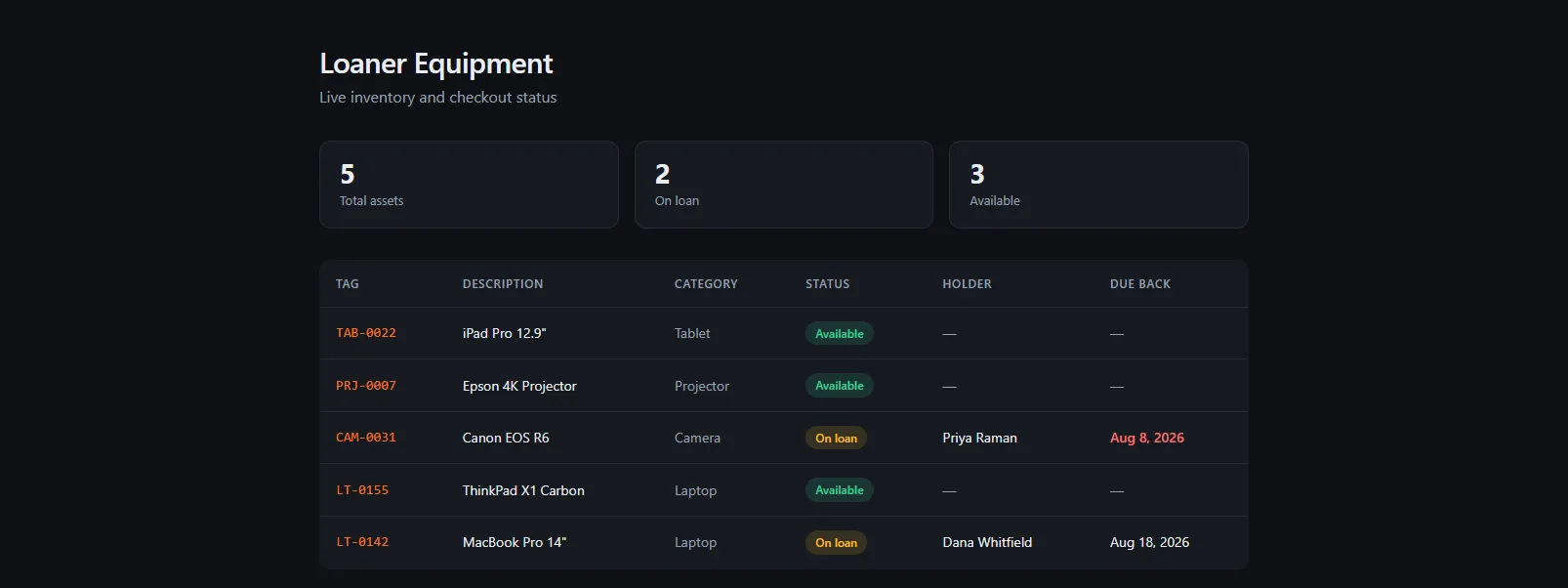
Kyte ships an MCP server, so Claude, ChatGPT, Cursor and Codex work your application directly — creating data models, writing controllers, publishing pages and provisioning sites.
Not a prototype tool
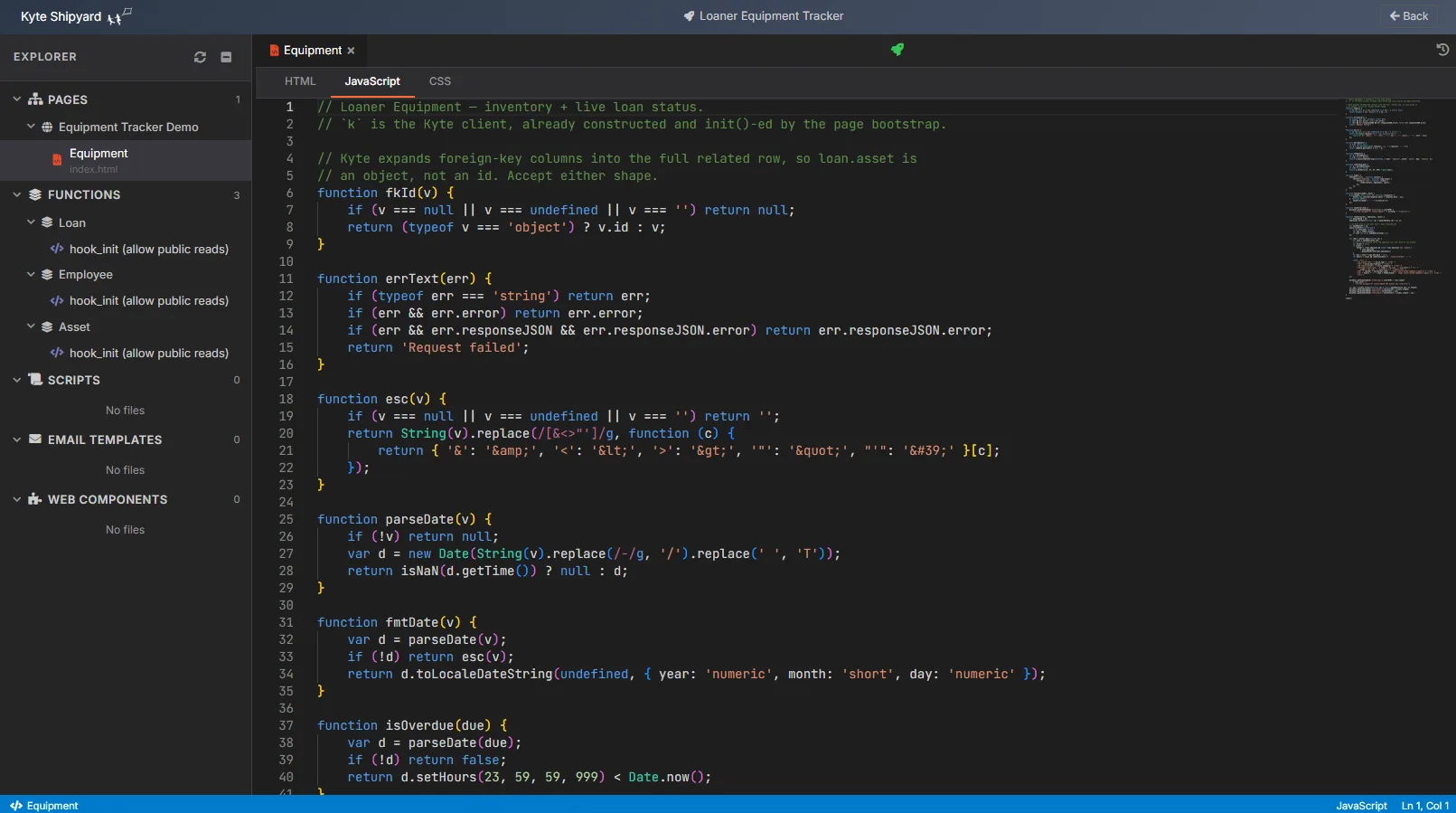
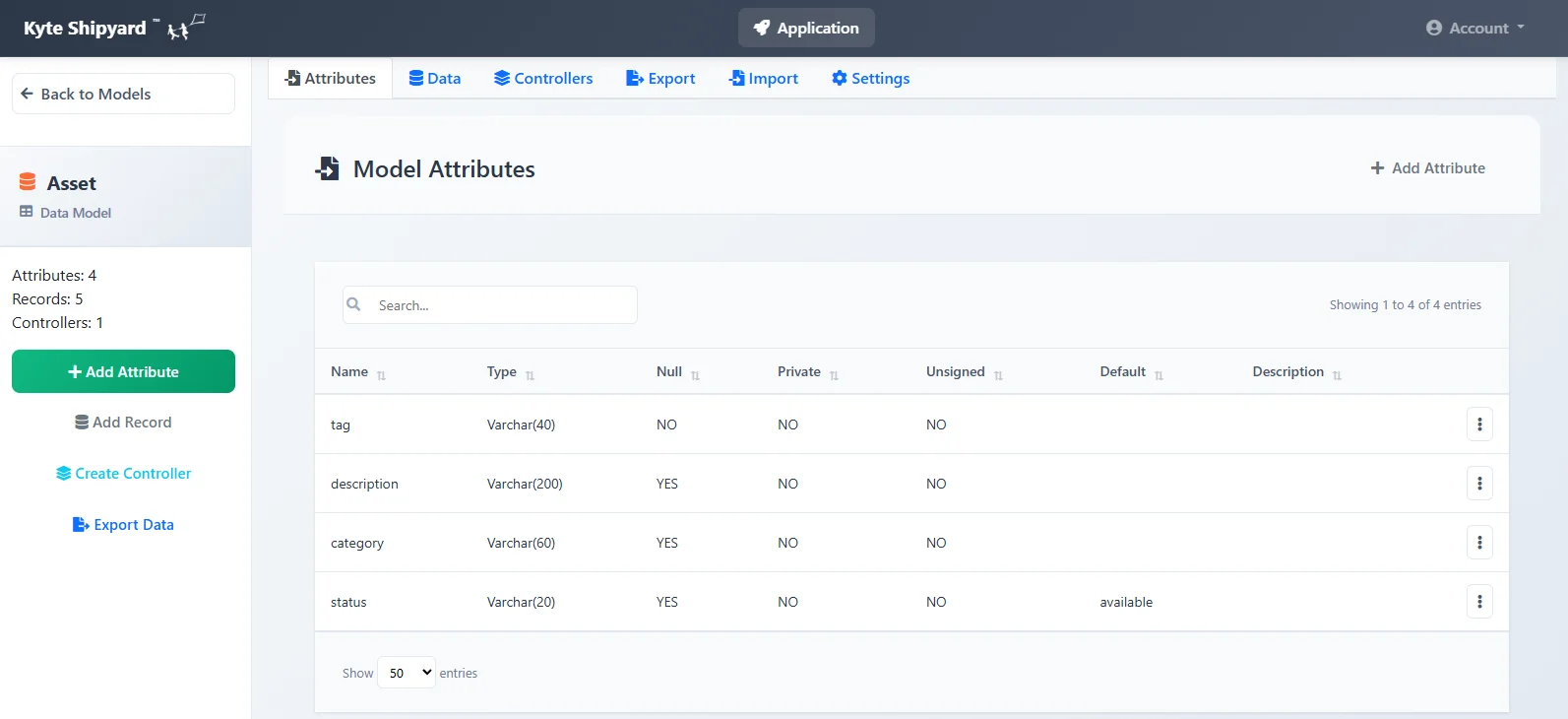
Everything an agent creates is a first-class object your team can open, read and edit — in a full IDE, with version history and a review step before anything goes live.
Nothing is public
until you say so
Exposing data to an anonymous visitor takes five separate, deliberate decisions. No single setting can do it.
That is the point: a mistake in one place cannot leak your data, because the other four still refuse. Accidental exposure is the most common way business applications lose records, and Kyte is built so it takes intent, not a slip.
- 01
Signed requests by default. Applications start in HMAC mode, which has no anonymous path at all.
- 02
Anonymous access is opt-in. It must be switched on for the application, and read-only is a separate level from writes.
- 03
Each model decides for itself. A controller must explicitly waive authentication — there is no global switch that opens everything.
- 04
And for which verbs. Opening reads leaves creates, updates and deletes closed unless you name them.
- 05
The application still overrides. A read-only application refuses writes even when a controller permits them.
Your install. Your AWS account.
Every customer gets a dedicated Kyte installation. Your data never shares a database with anyone else's.
No shared tenancy
Each application gets its own isolated database. There is no pooled multi-tenant store holding your records next to another company's.
Your region, your rules
Deployed into your AWS account, in the regions you choose. Data residency is a configuration decision, not a support ticket.
No lock-in
The framework and client libraries are MIT licensed and public. If you ever part ways with us, the code and the infrastructure are already yours.
We build the application with you, deploy it into your cloud, and support it. For regulated work — healthcare especially — a dedicated install is usually the only answer that survives a security review.
What comes in the box
The plumbing every business application needs, already built and already audited.
Model-Driven Data Layer
Define your models and Kyte runs the real migrations — tables, columns, foreign keys and constraints — with per-account scoping applied automatically on every query.
Single Sign-On
Your application's users can sign in with Microsoft or Entra, and any standard OIDC provider by configuration. Identity binds to the immutable subject claim, never a mutable email address.
Scoped API Tokens
Grant read, draft, publish, provision or schema rights independently. Tokens carry expiry, IP allow-lists, revocation and a full audit trail — and never more access than you granted.
Build Any Front End
An API-first backend with official client libraries for JavaScript, Python, Swift, Dart and Flutter, Java, and C and C++ — so your web app, mobile app and back office share one source of truth.
Sites & Publishing
Kyte provisions S3 and CloudFront for each site and publishes your pages to it. Static delivery, custom domains and certificates, without a separate hosting stack to run.
Scheduled Work & Email
Cron jobs with dead-letter tracking and success rates, plus a built-in email template editor — the background machinery real applications need, monitored from the same dashboard.
Let's talk about what you need built
Tell us the problem. We will tell you honestly whether Kyte is the right fit — and what it would take.